
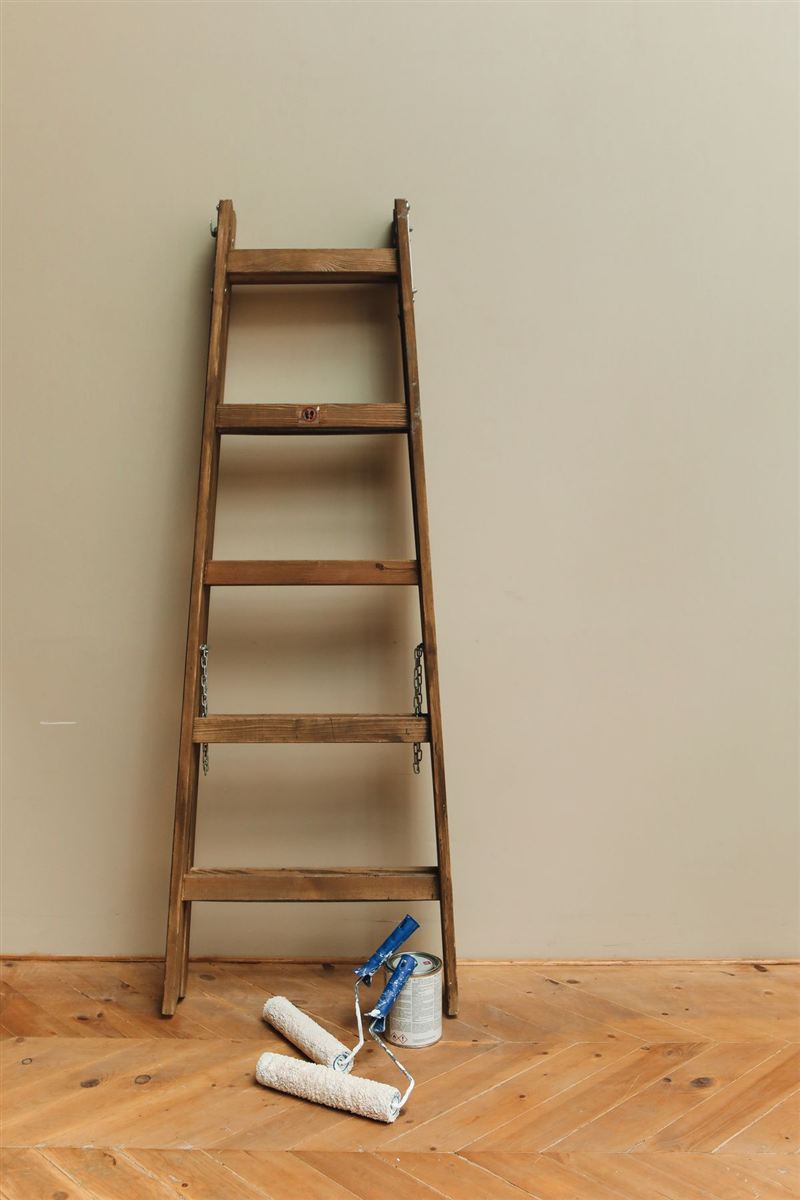
Good paint results start long before the first coat. Prep means clearing the room, covering what you cannot move, repairing the walls, and taping the edges. In Vero Beach humidity, a few extra minutes of prep can make a clear difference in how the paint looks and dries.
Start by Clearing the Room
Move everything you can out of the room. Take down wall art, curtains, and rods. Pull items off shelves, nightstands, and window ledges. Store small items in a box and label it, so nothing gets lost during the job.
Move large furniture to the center of the room. Pull it away from the walls so there is space to work. Keep the furniture covered with plastic or drop cloths. This protects it from drips and dust.
Cover the Floors and Fixtures
Lay drop cloths over the floor. Canvas cloths hold up better than thin plastic, and they stay in place when someone walks across them. Cover light switch plates and outlet covers with tape, or remove them if you know how.
If the room has a ceiling fan, check whether it can be covered. A fan that is not covered can collect paint spatter. Covering it early saves a lot of cleanup later.
Clean the Walls Before You Patch
Dust and grease make paint slide off the wall. Wipe the walls with a damp cloth and let them dry. Pay attention to areas near doors, light switches, and kitchens, where oils and fingerprints build up. A quick cleaning is one of the simplest steps you can take.
Walls that look clean can still hold dust. Take a few minutes to run a dry cloth or a soft brush along the top of the baseboards and door frames.
Patch Holes, Cracks, and Dents
Look at the walls in good light. A flashlight held at an angle can show small dents and cracks you may miss at noon. Fill nail holes and small cracks with spackle or a patching compound. Let the patch dry fully before you sand it.
Larger damage needs more work. Drywall patches should be taped, mudded, and feathered out so the repair blends into the wall. If the damage is large or near a window, talk with your painter about the best approach before you start.
Sand Smooth and Remove the Dust
Once patches are dry, sand them lightly until they are flush with the wall. Use a fine sanding sponge or fine paper. Work gently. Heavy sanding can scratch the surface or leave marks that show through the paint.
After sanding, wipe the room down again. Dust left behind can cause bumps in the finish. Vacuum the floor and the baseboards, then wipe them clean too.
Tape the Edges With Care
Good tape work gives you crisp lines. Use painter's tape on trim, window frames, door frames, and ceiling edges. Press the edges down firmly so paint does not seep underneath. Remove the tape while the paint is still a little soft, and pull it at a low angle for the cleanest line.
Do not leave tape on for days. Paint can dry hard to the tape and peel off with it. Check the tape each day if the job runs longer than one session.
Plan for Humidity and Airflow
Vero Beach humidity can slow drying time. Paint that stays wet longer can sag, show lap marks, or take longer to cure. Open windows when the weather allows, and run a fan to keep the air moving. Avoid painting on very humid days if you can choose the schedule.
Ventilation also matters for comfort. Paint has a strong smell during the first days. Good airflow helps everyone in the home stay comfortable, including pets and children.
Protect Your Air Conditioner and Vents
Cover air vents and return grilles with tape and plastic. Paint dust can clog filters and coils. Change the filter after the job, and wipe the vent covers clean. If you have a ceiling vent near the work area, cover it fully before you start spraying or rolling.
What Professionals Usually Handle
Some prep steps take skill and the right tools. A professional team will usually handle larger drywall repairs, ceiling work, and detailed trim work. They can also match textures and advise you on the best primer for stains or bare patches.
A pro can also spot problems you may miss, such as moisture stains or soft drywall. Those issues should be fixed before paint goes on, or the paint will not last.
What to Ask Before You Hire a Painter
Good prep starts with a clear plan. Ask questions before the work begins:
- What prep steps are included in the scope of the job?
- Who will move furniture, and who will cover floors and fixtures?
- How will you handle patches, sanding, and dust control?
- Will the scope be written down, so there are no surprises later?
- What products do you use, and can I request a specific brand?
A clear answer to each question tells you how careful the team will be. If the answers feel vague, ask again.
Set Expectations for Stains and Odors
Paint can cover many marks, but it cannot always hide every problem. Heavy stains, smoke odors, and water damage often need special primers or repairs. Be honest with your painter about these concerns. A good team will tell you what is realistic before the work starts.
Our Approach at Yai Services
Yai Services is a locally owned cleaning and home care company based in Vero Beach. We are not a franchise. We serve homes and businesses in Vero Beach, Sebastian, Fort Pierce, Port St. Lucie, Melbourne, Palm Bay, and across the Treasure Coast.
Our team handles painting and remodeling, including drywall patching, along with cleaning and handyman work. A consultation sets the exact scope of each visit, and we put the scope in writing. You can also learn more about our painting and remodeling services.
Some home repairs go well together. Small fixes often fit into the same visit, such as touching up a wall after a door is adjusted. Our handyman and maintenance services can take care of those smaller jobs.
Ready to Plan Your Room Prep?
Prep is the part of painting that makes the final result look right. If you want help clearing the room, patching the walls, or planning the job from start to finish, we are ready to help. Call Yai Services at (772) 242-4252 or request a quote online. We will look at your room, explain what is realistic, and give you a clear plan.
Frequently Asked Questions
Do I need to patch every small hole before painting?
Yes, it is best to fill nail holes and small cracks. Let the patch dry, sand it smooth, and wipe away the dust before you paint.
How does humidity affect interior painting in Vero Beach?
High humidity can slow drying time. Good airflow and a fan can help, and it is wise to ask your painter about the best schedule for humid days.
Should I remove the tape right after painting?
Remove painter's tape while the paint is still slightly soft, and pull it at a low angle. Do not leave tape on for days, since paint can dry to it and peel.
Can paint cover every stain or odor?
Not always. Heavy stains and smoke or water damage may need special primers or repairs. Ask your painter what is realistic before the work begins.