
Apartment common areas need regular cleaning to stay safe, clean and welcoming. That means lobbies, hallways, laundry rooms, trash areas and stairwells. A clear cleaning plan with set frequencies, a written scope and simple records helps property managers keep these spaces in good shape. It also makes it easier to show owners what was done.
Map Every Common Area First
Start with a walk. List every shared space in the building or complex. Note the floor types, the number of entry doors, the mailbox area and any amenity rooms. Mark the high-touch points, such as door handles, elevator buttons, railings and laundry machine lids.
A simple map keeps the scope clear. It also helps your cleaning company quote the work accurately. Without it, a visit can miss a room or repeat work that did not need repeating.
Lobbies and Entry Areas
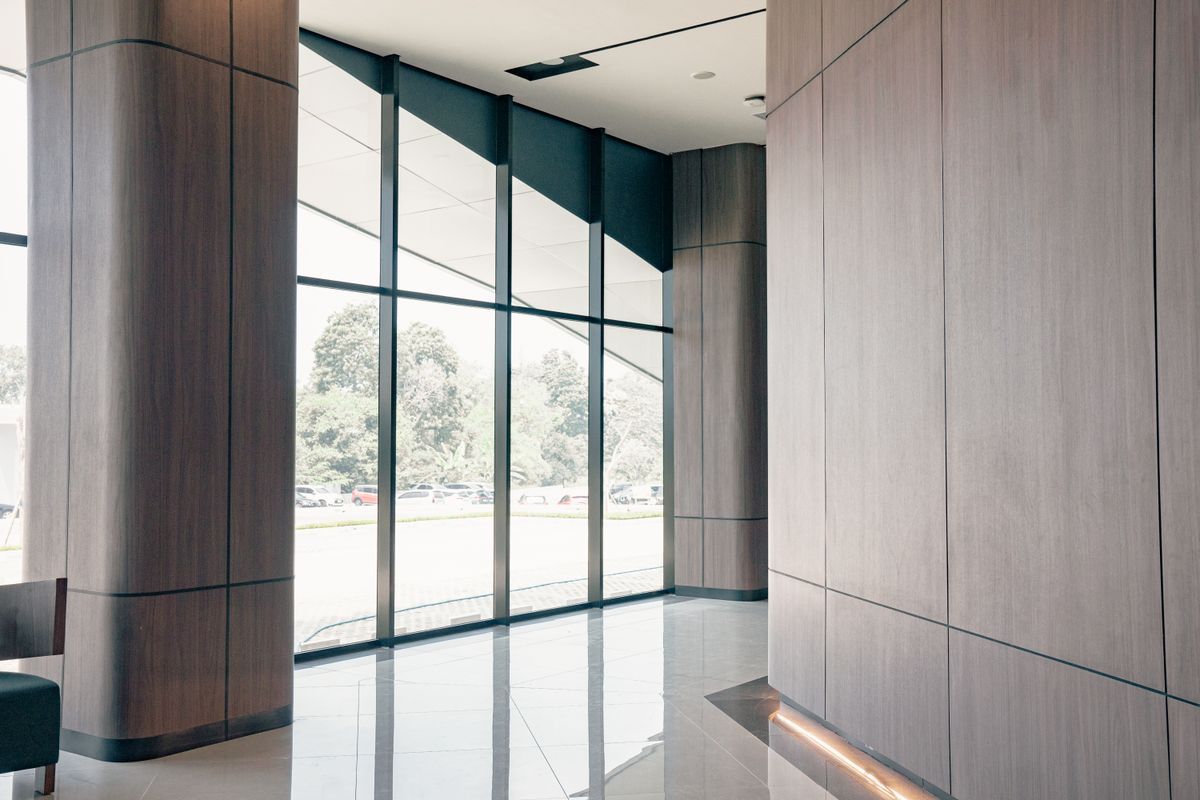
The lobby sets the first impression. Residents, guests and delivery drivers all pass through it. Daily or near-daily cleaning is common here. Focus on glass doors, door handles, the reception or mail counter and the floor at the entry mat.
- Wipe high-touch points, like handles and buttons.
- Clean glass entry doors and the first few feet of flooring.
- Empty small trash bins and replace liners.
- Check that entry mats are clean and in place.
Ask what the team will do in the lobby on each visit. A written checklist makes it easy to confirm the work over time.
Hallways and Stairwells
Hallways collect dust, scuffs and foot traffic. Stairwells add railings, landings and steps that need regular attention. Ask how often the team vacuums or sweeps, how they mop hard floors, and how they wipe railings and doors.
Check the lighting, the corners and the baseboards during your walk. These areas often show grime first. Set a schedule that matches how busy the building is, and adjust it after the first few months.
Laundry Rooms
Laundry rooms need attention to machines, counters, floors and drains. Lint, spills and detergent residue build up quickly in a busy room. Ask the team how they handle machine exteriors, folding tables, sinks and floor drains.
Dryer vents are a separate concern. Lint in a vent can be a fire risk, so ask whether the company offers dryer vent cleaning or can refer you to someone who does. Keep records of vent work for your owners.
Trash and Recycling Areas
Trash areas need a regular schedule. Ask who handles bins, who sweeps the pad and who rinses the enclosure. Clear drains help prevent odors. Good airflow and quick cleanup of spills also make a difference.
Be honest about the limits here. Some odors and stains may not fully come out, especially if they have soaked into concrete or a porous surface. A good company will tell you what is realistic and what it can do to help.
Scheduling Around Residents
Cleaning works best when it does not get in the way. Residents need access to elevators, mail and laundry. Plan visits for times when traffic is lighter. Early mornings, midday or late afternoons are common windows, depending on the building.
Ask how the team handles access. Clients may choose their own access method, and residents may or may not be home. Agree on a clear way for staff to enter shared areas, and make sure the team knows where to find keys or codes.
Post a simple notice when a deep cleaning or floor work is planned. Let residents know the area may be wet, and give a date for when it will be open again. Clear notices reduce complaints and slips.
Choose Your Frequency
Common areas can be cleaned on different schedules. Many buildings use a mix of daily, weekly and monthly tasks. Daily tasks keep lobbies and entry doors fresh. Weekly tasks may cover hallways, stairwells and laundry rooms. Monthly tasks can include deeper work on floors, walls and high dusting.
- Daily. Lobby, entry doors, high-touch points and trash bins.
- Weekly. Hallways, stairwells, laundry rooms and mailbox areas.
- Monthly. Deeper floor care, baseboards, walls and vent covers.
Recurring schedules are usually weekly, biweekly or monthly. You can start with one frequency and change it as you learn how the building uses each space.
Keep Records for Owners
Owners want to see that the work was done. Simple records make that easy. A visit log, photos of key areas and a short monthly report can show the cleaning plan at work.
Ask your cleaning company for a written scope before work starts. A written scope with no quiet changes protects both sides. If something changes, the company should tell you in writing before the new work begins.
- Date and time of each visit
- Areas cleaned and any items skipped, with the reason
- Photos of lobbies, laundry rooms and trash areas
- Notes on repairs or issues found during the visit
- Supplies used and any product the owner asked for
Questions to Ask a Cleaning Company
Before you hire, ask clear questions. Good answers tell you how the team works and how they will handle problems.
- What exactly is included in the scope for each common area?
- How do you train team members before they work alone?
- Do your crews bring their own supplies and equipment?
- Can you use the products our residents or owners prefer?
- How do you handle access, keys and codes?
- What records do you provide after each visit?
- How do you let us know about issues you find?
Ask for references from similar buildings in the area. Talk with other property managers about how the company communicates and handles changes.
Working With a Local Team in Palm Bay
Yai Services is a locally owned cleaning and home care company in Vero Beach. We serve Palm Bay, Melbourne, Vero Beach, Sebastian, Fort Pierce, Port St. Lucie and the Treasure Coast. We offer residential and commercial cleaning, and we also handle janitorial work for businesses. Our team trains on Yai methods before working alone.
For a full look at our commercial services, see our janitorial services page. For local details about cleaning in Palm Bay, read our cleaning services in Palm Bay page.
Ready to plan common-area cleaning for your property? Call Yai Services at (772) 242-4252 for a quote. Tell us about your building, your frequency and what owners expect to see. We will explain what is realistic and what a written scope would include.
Frequently Asked Questions
How often should apartment common areas be cleaned?
Many buildings use a mix. Lobbies and entry doors often need daily attention. Hallways, stairwells and laundry rooms may need weekly care. Deeper floor and wall work often fits a monthly schedule.
Should we clean common areas during the day or at night?
It depends on the building. Choose a window when residents have the least traffic. Post notices when floors are wet, and agree on access with the cleaning team.
What records should a cleaning company give property managers?
Ask for visit logs with dates and areas cleaned, photos of key spaces and notes on any issues. A written scope should show what is included and what is not.
Can a cleaning company remove every stain or odor?
Not always. Some stains and odors soak into porous surfaces. Ask the company what is realistic for your building before work begins.